
In the past, people often sought stable jobs, particularly in industries such as manufacturing and agriculture, where limited educational opportunities made these fields the go-to for many. However, these jobs typically involved heavy manual labor, and over time, factories earned a reputation for poor working conditions and repetitive, demanding tasks. As a result, many young people turned away from factory work, preferring office jobs. Over the years, this trend led to fewer young workers in factories, causing recruitment challenges.
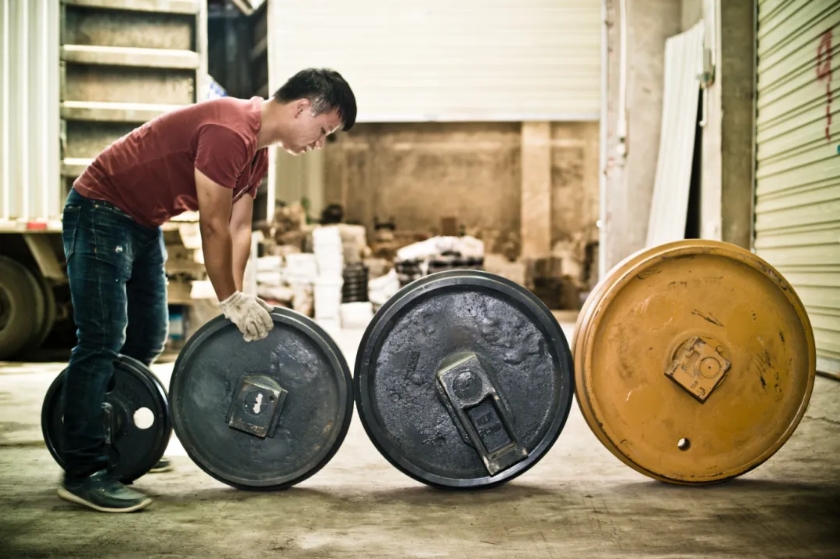
However, with the rise of industrial automation and the introduction of industrial manipulators, factories are transforming. These advancements have significantly reduced the physical strain of many tasks, offering a new perspective on factory work and providing young job seekers with fresh career opportunities.
According to the 2024 Employment Relationship Trends Report by a famous talent headhunting company, the proportion of 16- to 25-year-old job seekers applying to industrial sectors has increased from 21% to 31% over the past three years. Additionally, the percentage of applicants with less than three years of work experience rose from 5.9% to 25.2%.
01. Factories Are Changing
In today�s world, young people have more diverse career options, ranging from manufacturing to service industries. However, many remain hesitant to work in environments perceived as dirty or unsafe. This trend has prompted a major shift in industrial sectors as companies strive to attract younger talent by improving working conditions and integrating new technology.

Take, for example, a traditional chemical factory where handling chemical barrels was once a significant challenge. Empty chemical barrels can weigh up to 20 kg, while full barrels can reach 250 kg. The hazardous nature of the materials increases the risk of accidents, including explosions, making these positions difficult to fill.
In response to this issue, the factory underwent a complete transformation by introducing vacuum tube lifting manipulators. These devices use pneumatic power to make even the heaviest chemical barrels feel weightless. What once required three workers to manage can now be handled by one person with ease, significantly improving safety and reducing the risk of accidents.
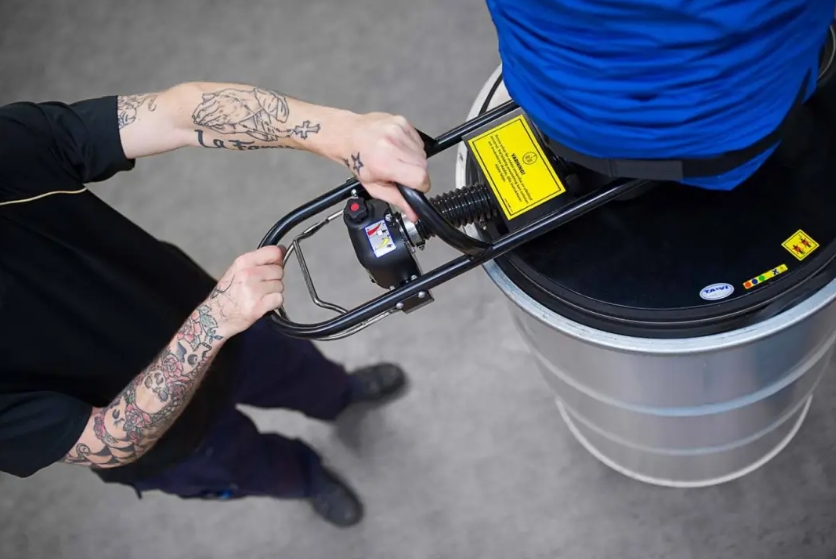
This technological innovation not only reduced labor costs but also allowed the factory to increase wages, improve working conditions, and offer more training opportunities. These changes boosted employee satisfaction and loyalty, attracting more young workers to apply for open positions.
As more young workers joined, factory productivity soared, leading to increased output and enhanced company performance. The factory overcame its previous struggles with labor shortages and safety concerns, giving the business new life.
In today�s competitive job market, companies must offer more than just competitive salaries and benefits. They need to create safe, hygienic, and comfortable working environments. This includes adopting advanced production equipment, improving workplace cleanliness, and implementing stronger safety measures to ensure the health and well-being of employees. Only by focusing on these factors can factories attract and retain young talent.
02. A New Employment Option for Young Workers
As factories evolve, the criteria that young people use to evaluate job opportunities are also changing.
Take Mr. Wang, a recent graduate with a degree in mechanical engineering. He was eager to find a job that would allow him to use his skills while offering strong career growth potential.
During his job search, Mr. Wang interviewed at two factories. One was a traditional machining factory offering decent wages but a tough working environment with high physical demands. The other utilized industrial manipulators, boasting a modern, clean workspace, advanced equipment, and numerous opportunities for training and career development. Naturally, Mr. Wang was intrigued.
During the interview, the factory manager explained the benefits of industrial manipulators, including how they significantly reduce physical strain and enhance production efficiency while maintaining high-quality standards. What impressed Mr. Wang even more was the factory�s commitment to continuous employee training, helping workers advance their skills and build long-term careers.
After the interview, Mr. Wang toured the production floor. The workspace was clean and orderly, with industrial manipulators operating smoothly under the workers� control. The employees were clearly satisfied and confident in their roles. Mr. Wang could easily envision himself thriving in such an environment.
Upon reflection, Mr. Wang decided that while the traditional factory offered good pay, the working conditions and physical demands weren�t aligned with his expectations. In contrast, the factory using industrial manipulators offered a better work environment, diverse tasks, and opportunities for growth, making it the perfect fit for his career goals.
Ultimately, Mr. Wang accepted the offer from the factory using industrial manipulators. He believed this job would not only reduce the physical demands of his work but also help him continue developing his professional skills and advancing his career.
03. Advantages of Factories with Industrial Manipulators
Industrial manipulators are equipment designed to reduce physical strain on workers and increase productivity. Commonly used in tasks like handling and assembly, they significantly lessen the physical demands on workers while improving operational efficiency and comfort. For younger workers, such environments are much more appealing.
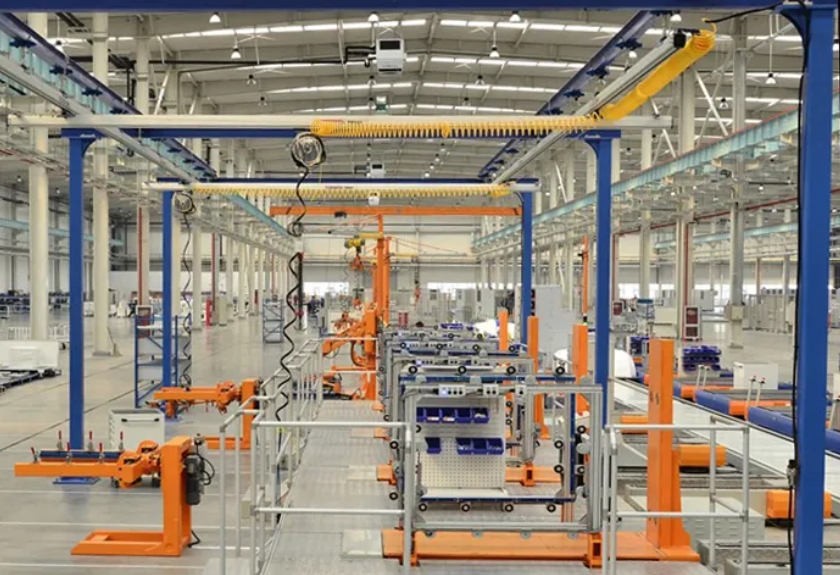
Factories that use industrial manipulators often require workers with technical skills and knowledge, making them attractive to young people eager to learn and grow. These factories also typically offer more training and career development opportunities, helping employees continuously improve. Additionally, the varied nature of the tasks, from operating the manipulators to participating in different stages of production, ensures the work is dynamic and challenging, preventing the monotony often associated with factory jobs.
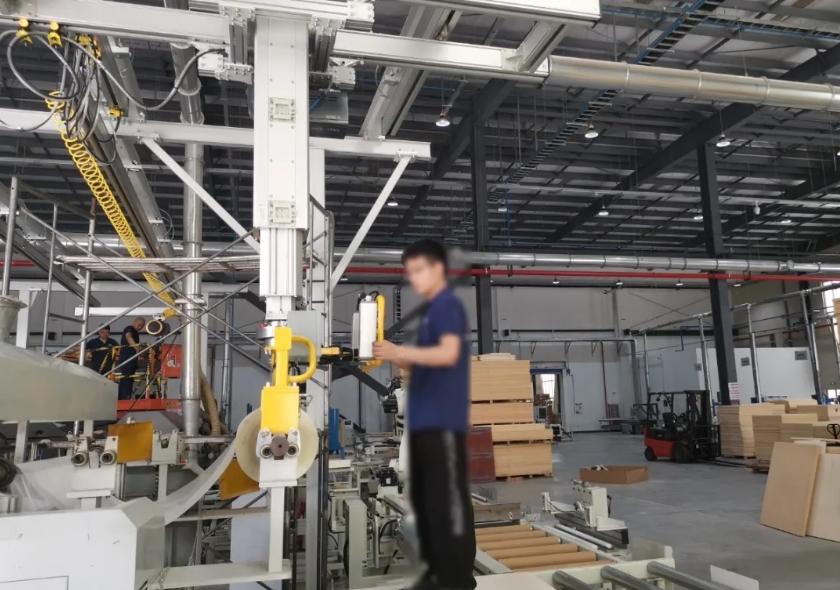
In summary, factories equipped with industrial manipulators excel in flexible manufacturing, human-machine collaboration, ergonomic lifting, and operational agility, making them highly attractive to younger workers. These changes not only improve productivity but also enhance workplace conditions and employee satisfaction, ensuring a brighter future for the manufacturing industry.
Liftoal: Your Expert Partner in Industrial Handling Solutions
Liftoal is a trusted partner in industrial lifting and handling equipment, offering customized solutions to meet diverse operational needs. With over two decades of experience, Liftoal specializes in advanced labor-saving handling technologies that enhance efficiency, safety, and precision across various industries. Whether you need solutions for lifting heavy machinery, moving bulk materials, or optimizing assembly processes, Liftoal has the expertise and technology to support your manufacturing and logistics operations.
Contact Liftoal today for expert advice on selecting the right industrial lifting and handling equipment tailored to your specific requirements. Optimize your production processes and enhance workplace safety with Liftoal�s advanced solutions!