
In recent years, reports on autonomous driving technology and automation equipment have surged, with researchers predicting that by 2025, approximately 8 million driverless or semi-autonomous vehicles will be on the roads. However, despite the vision of full automation, many local scenarios remain unresolved, posing risks of partial system failures or other operational challenges. This has brought flexible automation technology into the spotlight, focusing on its stability, characteristics, and future development potential.
01 The Bottleneck of Full Automation: Partial System Failures
Fully automated technologies, such as autonomous driving cars and automated delivery systems, face the challenge of gradual progression from SAE Level 0 to Level 5 automation. Even at higher automation levels, partial system failures remain a risk. At Level 3, drivers must be prepared to take over, and at Level 4, the system fully controls only in specific conditions. This limitation makes it difficult for full automation to operate stably in complex and changing environments like traffic management.
Technological challenges, regulatory standards, and infrastructure gaps further complicate the deployment of full automation. These factors limit the reliability of fully automated systems in scenarios requiring adaptability and dynamic responses to unexpected situations.
02 The Advantages of Flexible Automation
In the face of these limitations, flexible automation offers a more reliable solution. Unlike rigid, fully automated systems, flexible automation integrates intelligence and adaptability. It utilizes emerging technologies like artificial intelligence (AI) and the Internet of Things (IoT) to better handle diverse and unpredictable environments.
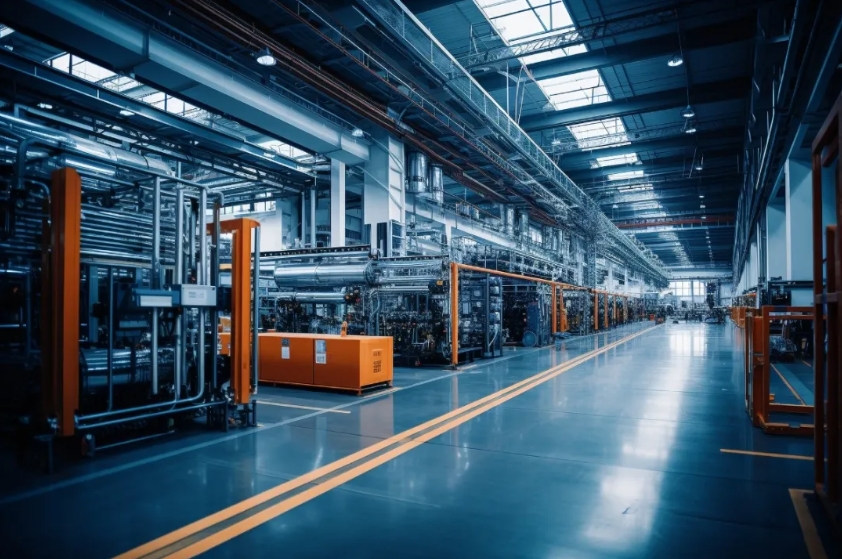
A key feature of flexible automation is its ability to self-adjust during local system failures, ensuring the overall stability of operations. Compared to full automation, flexible systems prioritize adaptability and controllability under specific conditions, making them more reliable for real-world applications. This flexibility enables these systems to better suit varying work environments and operational scenarios, from manufacturing to logistics and beyond.
03 The Future of Flexible Automation
As flexible automation technology continues to evolve, it is expected to see wider applications across industries. In the autonomous driving sector, flexible systems can better handle the complexities of urban traffic, enhancing the reliability of driving systems. In logistics and transportation, flexible automation can efficiently manage complicated warehousing environments and diverse logistical challenges.
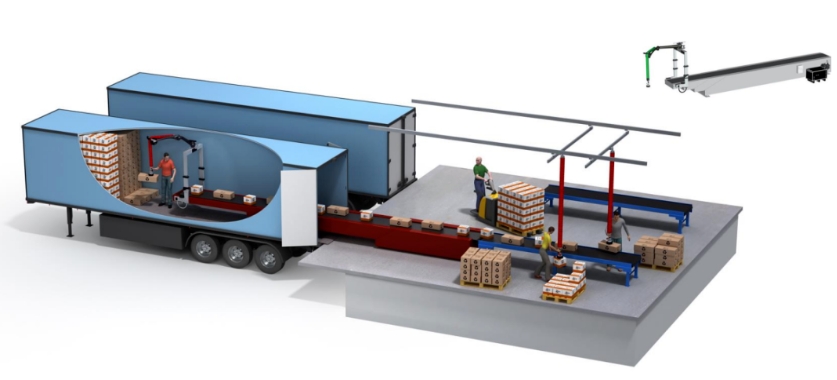
This technological growth presents a great opportunity for emerging markets and tech companies to develop intelligent algorithms and system solutions that meet industry needs. By leveraging these advancements, businesses can foster the growth of flexible automation and contribute to the larger automation revolution.
Rather than viewing full automation and flexible automation as opposing concepts, it’s essential to recognize them as phases of automation development. The journey from manual operation to full automation requires an intermediate stage, and flexible automation serves as the critical bridge during this transition. Moving forward, we will witness continuous innovation in flexible automation, providing stable, reliable solutions that complement fully automated systems and drive the advancement of automation technologies across sectors.
Liftoal: Your Expert Partner in Industrial Handling Solutions
Liftoal is a trusted partner in industrial lifting and handling equipment, offering customized solutions to meet diverse operational needs. With over two decades of experience, Liftoal specializes in advanced labor-saving handling technologies that enhance efficiency, safety, and precision across various industries. Whether you need solutions for lifting heavy machinery, moving bulk materials, or optimizing assembly processes, Liftoal has the expertise and technology to support your manufacturing and logistics operations.
Contact Liftoal today for expert advice on selecting the right industrial lifting and handling equipment tailored to your specific requirements. Optimize your production processes and enhance workplace safety with Liftoal�s advanced solutions!