In recent years, the rapid advancement of technology has led to widespread use of fully automated robots on production lines. But are fully automated robots truly foolproof? The reality is that even the most advanced systems can experience malfunctions, potentially disrupting production efficiency. To address these challenges, many companies are turning to flexible manufacturing solutions�a smart approach that combines automation with human intervention. In today�s dynamic market environment, this hybrid model proves to be a strategic choice.
The Perfect Union of Robots and Human Labor
Flexible production solutions have become a prevalent trend in modern manufacturing. Unlike fully automated systems, hybrid solutions that blend automation with human involvement offer greater adaptability to complex and variable production environments.
Take, for instance, the task of installing a sunroof on an automotive production line. Automation can handle the task of picking up the sunroof and moving it to the installation point. At this stage, human operators step in to ensure precision during installation. This combination of robotic efficiency and human oversight optimizes both speed and quality, ensuring smoother operations while minimizing the impact of potential machine malfunctions. This blend enhances production flexibility and overall stability.
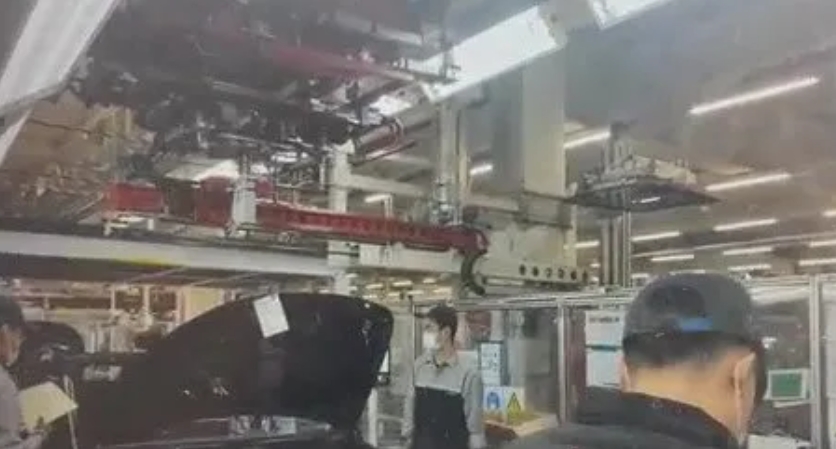
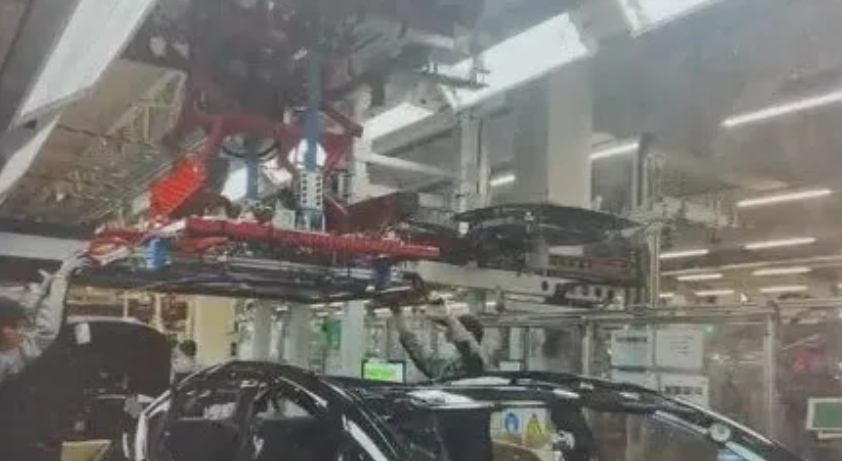

- Automated Material Handling: The robot automatically picks up the component and moves it along a preset path to the installation position.
- Human Integration: Once the component reaches the installation position, human workers complete the assembly with precision.
- Process Completion: After the installation, operators release the component, and the robot resumes the next stage.
Finding the Optimal Balance
When implementing flexible manufacturing solutions, it’s crucial for businesses to strike the right balance between robotic automation and human intervention. Robots excel in repetitive, straightforward tasks, driving efficiency on the production line. However, in complex and ever-changing environments, human flexibility, decision-making, and expertise are indispensable.
Companies must carefully assess the specific needs and characteristics of their production lines when designing and implementing flexible solutions. Allocating tasks based on the strengths of both robots and human operators allows businesses to maximize efficiency and improve production outcomes.
The Role of Training and Technology Upgrades
For the successful integration of robots and human workers, proper training and technology upgrades are essential. Workers need specialized training to operate and interact with automated systems effectively. This training ensures the smooth functioning of the production line and minimizes the risk of errors. Additionally, businesses must invest in continuous technological upgrades, bringing in advanced automation tools and refining production techniques to stay competitive in an ever-evolving market.
By elevating their technical capabilities and offering regular training for workers, companies can enhance both their workforce’s expertise and their overall production performance, making them more resilient in the face of industry competition.
The Benefits of Flexible Production
Adopting flexible production solutions represents a shift away from traditional manufacturing models, enabling companies to achieve efficiency and quality while responding to market demands more effectively. This hybrid approach�finding the right balance between robots and human workers, optimizing task allocation, and investing in training and technology�is key to long-term success.
With technological advancements and improvements in production strategies, flexible manufacturing will play an increasingly vital role in helping businesses achieve stable and sustainable growth. Companies that adopt these strategies will not only enhance their operational efficiency but also be better positioned to navigate future market challenges.
Conclusion
In the era of Industry 4.0, flexible manufacturing solutions that combine automation with human labor provide the perfect balance for efficient, high-quality production. As businesses continue to evolve, the right mix of robots and human expertise, supported by ongoing training and technological improvements, will pave the way for sustained success. This approach ensures that companies remain competitive while maintaining productivity, safety, and innovation in a rapidly changing marketplace.
Liftoal: Your Expert Partner in Industrial Handling Solutions
Liftoal is a trusted partner in industrial lifting and handling equipment, offering customized solutions to meet diverse operational needs. With over two decades of experience, Liftoal specializes in advanced labor-saving handling technologies that enhance efficiency, safety, and precision across various industries. Whether you need solutions for lifting heavy machinery, moving bulk materials, or optimizing assembly processes, Liftoal has the expertise and technology to support your manufacturing and logistics operations.
Contact Liftoal today for expert advice on selecting the right industrial lifting and handling equipment tailored to your specific requirements. Optimize your production processes and enhance workplace safety with Liftoal�s advanced solutions!