In recent years, the implementation of full automation in industrial production has become a trending topic. However, there are still significant challenges when it comes to complex processes and unpredictable conditions. This article will analyze a specific case to explore the issues that can arise with fully automated solutions and offer suggestions for improvement.
Case Review: Conditions and Limitations of Full Automation
In the key stages of film roll production, robots are required to perform complex tasks such as extracting rolls using expansion shafts, flipping the material, and laying it flat. Despite this, real-world conditions introduce several problems, including inconsistencies in product dimensions, precision issues, product sticking, and unexpected events, all of which create challenges for fully automated systems.
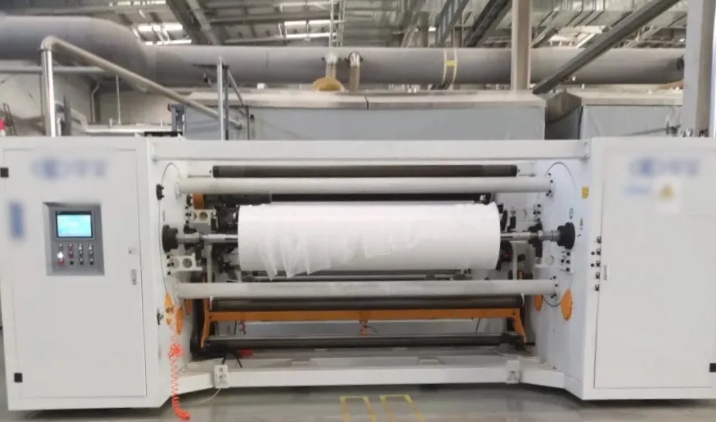
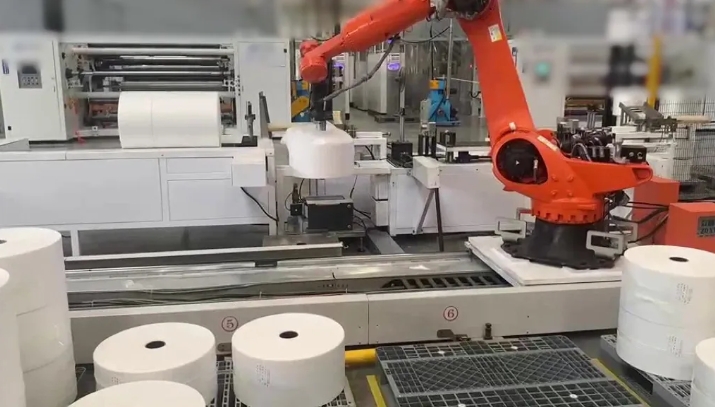
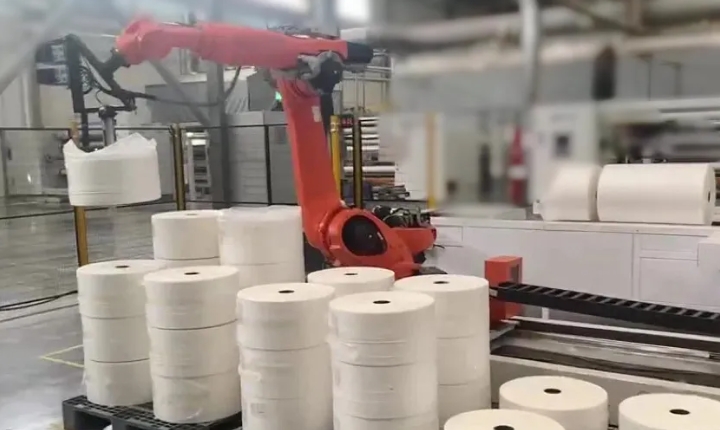
Examples from the Production Line:
- Stacked rolls waiting to be processed
- Roll extraction using expansion shafts
- Completed stacked film rolls
Key Issues and Challenges
- Inconsistent Product Dimensions:�Variations in the inner and outer dimensions of the rolls make it difficult for robots to execute tasks accurately.
- Positional Precision:�Inaccurate placement at both the pick-up and drop-off points complicates the robot�s operations.
- Product Sticking:�Rolls may stick together, disrupting the workflow and causing delays.
- Unexpected Events:�Human intervention or manual placement of rolls can introduce risk and cause program disruptions.
In practice, the robot workstation requires frequent intervention from operators and electrical engineers�sometimes as often as every 2-3 minutes�significantly reducing the efficiency and reliability of the fully automated solution.
Our Recommendation: Flexible Automation Solutions
To address these challenges, we propose a flexible automation solution that ensures consistent workstation operation while accommodating variability.
- Product Consistency:�Ensuring high consistency in the product is a prerequisite for full automation. This requires comprehensive testing and adjustments before production begins.
- Precise Positioning:�Accurate positioning at pick-up and drop-off points is essential, and can be achieved with precision positioning systems and visual recognition technologies.
- Physical Properties of Products:�The physical characteristics of the materials must meet the requirements for robotic handling to prevent operational failure.
In situations where certain conditions cannot be consistently met, we recommend a flexible automation approach. This involves employing full automation where possible, but allowing for manual intervention in areas that do not meet the automation criteria. This approach ensures the workstation can continue to function smoothly.
The strength of flexible automation lies in its ability to adapt to uncertainty and change, maintaining production line flexibility and reliability. By implementing such solutions, the production process can be adjusted based on actual conditions, enhancing overall efficiency.
Conclusion
While fully automated solutions offer vast potential for industrial production, they also face a range of challenges in real-world applications. By adopting flexible automation strategies, manufacturers can address these issues and ensure the continuous operation of their production lines.
As technological innovation continues and industrial demands evolve, fully automated solutions will play an increasingly pivotal role in enhancing the efficiency and productivity of industrial production.
Liftoal: Your Expert Partner in Industrial Handling Solutions
Liftoal is a trusted partner in industrial lifting and handling equipment, offering customized solutions to meet diverse operational needs. With over two decades of experience, Liftoal specializes in advanced labor-saving handling technologies�that enhance efficiency, safety, and precision across various industries. Whether you need solutions for lifting heavy machinery, moving bulk materials, or optimizing assembly processes, Liftoal has the expertise and technology to support your manufacturing and logistics operations.
Contact Liftoal today for expert advice on selecting the right industrial lifting and handling equipment tailored to your specific requirements. Optimize your production processes and enhance workplace safety with Liftoal�s advanced solutions!